
Canine Atopic Dermatitis (Atopy)
What is Canine Atopy?
Canine atopy, also called atopic dermatitis, is an environmental allergy in dogs. Atopy is not contagious, but it is lifelong and usually requires ongoing management. It happens when a dog’s immune system overreacts to common environmental allergens.
These allergens are things most dogs are exposed to every day, such as:
Pollens (trees, grasses, weeds)
Dust mites
Mold spores
Environmental particles indoors or outdoors
Common Signs of Atopy Include
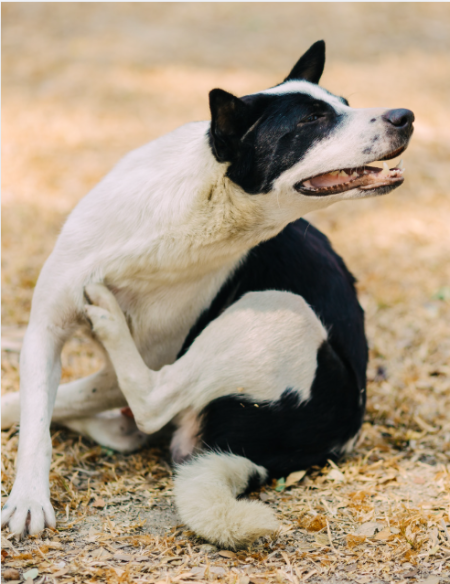
Itchiness: Excessive scratching, licking, chewing, or rubbing
Red or inflamed skin
Hair loss
Recurrent ear infections
Paw licking or chewing
Darkened or thickened skin over time
Symptoms often start when dogs are young adults (6 months–3 years) and may worsen over time.
How is Atopy Diagnosed? There is no single test that instantly diagnoses atopy.
Diagnosis is usually based on:
History and pattern of itchiness
Ruling out other causes (fleas, mites, infections, food allergy)
Response to treatment
Allergy testing (blood or skin testing) after atopy is suspected to determine which allergens a dog may be allergic to.
Is Atopy the Same as a Food Allergy? No.
Atopy = allergy to environmental allergens
Food allergy = reaction to ingredients in food
Some dogs can have both, which is why food trials are sometimes recommended.
How is Atopy Treated?
There is no cure, but most dogs can be very comfortable with the right plan. Treatment is often multimodal, meaning several approaches are combined.
Common management options include:
Anti-itch medications (e.g., Apoquel®, Cytopoint®, Zenrelia®, and steroids in some cases)
Allergy immunotherapy (allergy shots or oral drops)
Medicated shampoos or topical treatments
Treatment of secondary infections (bacterial or yeast)
Flea prevention (very important, even if fleas aren’t seen)
Dietary support (omega-3 fatty acids, skin-support diets)
Why Does Treatment Change Over Time?
Atopy is a chronic, waxing-and-waning condition:
Symptoms may be seasonal or year-round
Flare-ups are common
Treatment often needs adjustment
Regular rechecks help keep your dog comfortable and prevent severe flares.
What Can You Do at Home?
You play a huge role in managing atopy:
Give medications exactly as prescribed
Keep up with flea prevention
Bathe as directed
Watch for early signs of flares
Report changes or concerns promptly
Early intervention = less discomfort for your dog